Uneven skin tone and hyperpigmentation can be a frustrating battle. But there are some great natural oil options that can help visibly reduce the appearance of hyperpigmentation. Rosehip seed oil, tamanu oil, evening primrose, tea tree oil, and frankincense are among the most effective plant-based options for fading dark spots and evening skin tone. These oils work gradually, but they’re affordable and far gentler than clinical procedures. Learn about the best options for your skin.
This post may contain affiliate links. Read the full disclosure here
What is Hyperpigmentation?
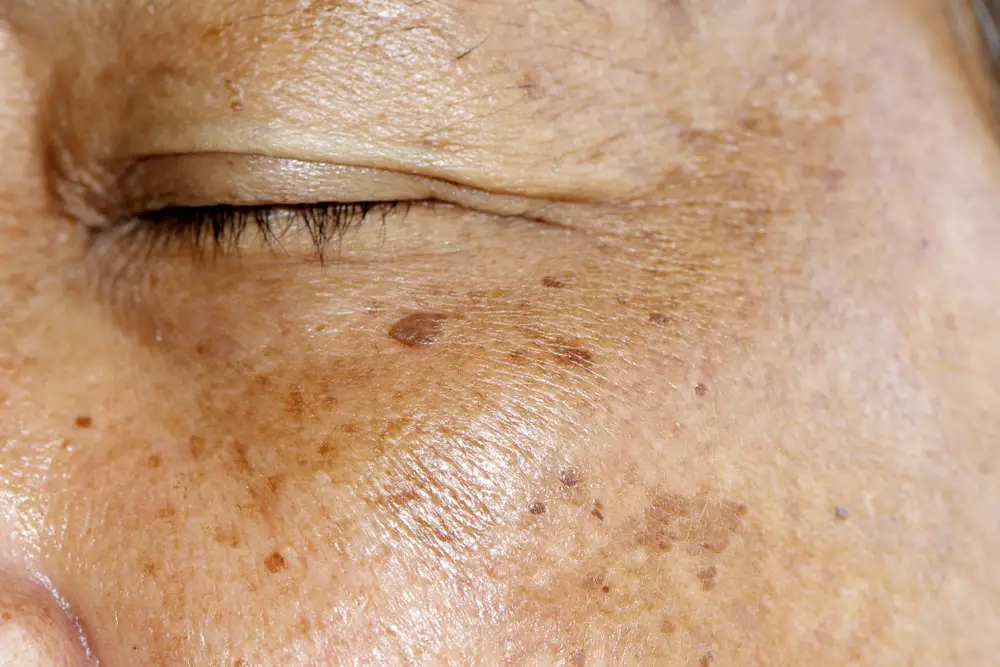
Hyperpigmentation is a skin condition where certain areas produce more melanin than the surrounding skin, causing darker spots on the skin. Sun exposure, inflammation, hormonal shifts, and skin injury are common triggers and any skin type can be affected. Although it tends to be more visible and longer lasting in people with deeper skin tones. The condition is harmless, but many people want to reduce its appearance.
Types and Causes of Hyperpigmentation
There are three main forms, each driven by a different cause.
Post-inflammatory hyperpigmentation (PIH) is triggered by skin injury or inflammation. Acne is the most common cause, leaving dark marks behind after a breakout clears. Eczema and skin trauma can produce the same result.
Sunspots (also called solar lentigines) are caused by repeated UV exposure over time. They show up most often on the face, hands, and arms. Consistent SPF use is essential for both prevention and treatment.
Melasma is linked to hormonal changes, most often during pregnancy or while using hormonal contraception. It tends to appear on the face and can be harder to treat than other types.
Common Treatments for Hyperpigmentation
Clinical options range from topical treatments to in-office procedures. Topical ingredients like hydroquinone, kojic acid, azelaic acid, retinoids, and vitamin C are widely used, though some cause irritation with prolonged use. Laser and IPL therapy can be effective but involve multiple sessions and significant cost. Microdermabrasion and chemical peels remove the outer layers of skin to improve tone, with results that vary by skin type.
Natural oils are a slower approach, but they suit a wider range of skin types and carry a lower risk of irritation. No single treatment works for everyone, and sun protection plays a bigger role than most people expect.
| Oil | Type | Primary Benefit | Best For |
| Rosehip Seed Oil | Carrier | Vitamin A, brightening | All skin types, dark spots |
| Tamanu Oil | Carrier | Antioxidant, UV protection | Sun spots, prevention |
| Evening Primrose | Carrier | Tyrosinase inhibition | Melanin reduction, sensitivity |
| Vitamin E Oil | Carrier | Antioxidant, repair | Best paired with Vitamin C |
| Papaya Seed Oil | Carrier | Vitamin C, cell turnover | Brightening, uneven tone |
| Frankincense Oil | Essential | Tissue remodeling, anti-inflam. | Acne-related PIH, redness |
| Tea Tree Oil | Essential | Antimicrobial, preventive | Prevention, acne-prone skin |
| Lavender Oil | Essential | Anti-inflammatory, antioxidant | Mild cases, sensitive skin |
| Geranium Oil | Essential | Astringent, antimicrobial | General use, patch test first |
| Carrot Seed Oil | Essential | UV absorption, antifungal | Sunspot prevention |
| Sandalwood Oil | Essential | Astringent, anti-inflammatory | Traditional use, limited evidence |
| Lemon Essential Oil | Essential | Limonene, lightening | Night use only, dilute well |
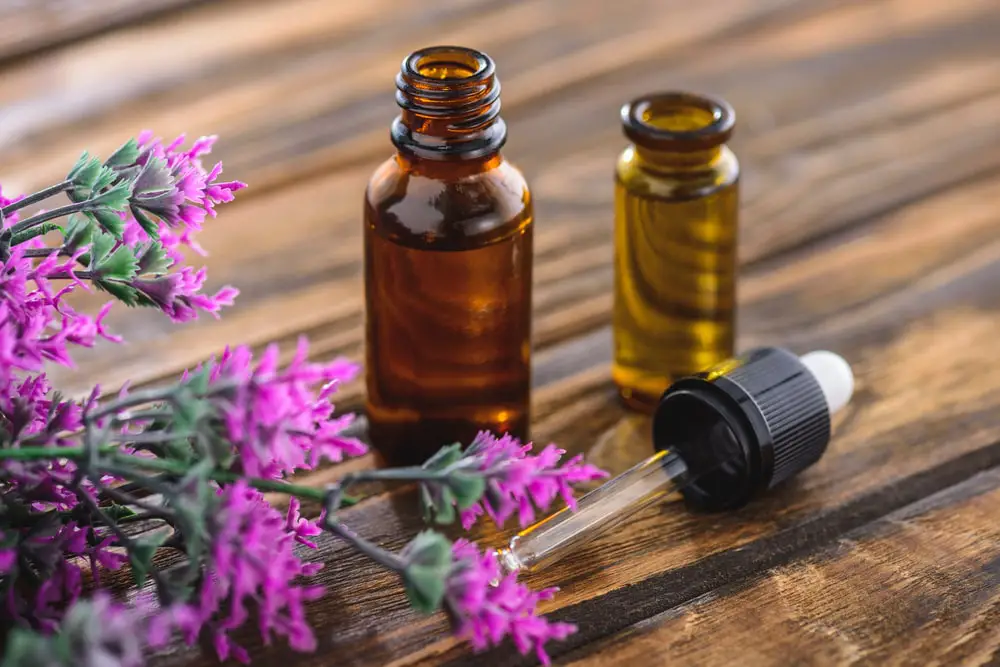
Essential oils must always be diluted in a carrier oil before applying to skin. A safe starting ratio is 1 to 2 drops of essential oil per teaspoon (5ml) of carrier oil. Never apply undiluted essential oils directly.
The Best Oils for Hyperpigmentation
Here’s a look at some of the best plant-based and essential oils for hyperpigmentation. These plant-based options can help reduce the appearance of hyperpigmentation without expensive or painful procedures.
Tea Tree Oil
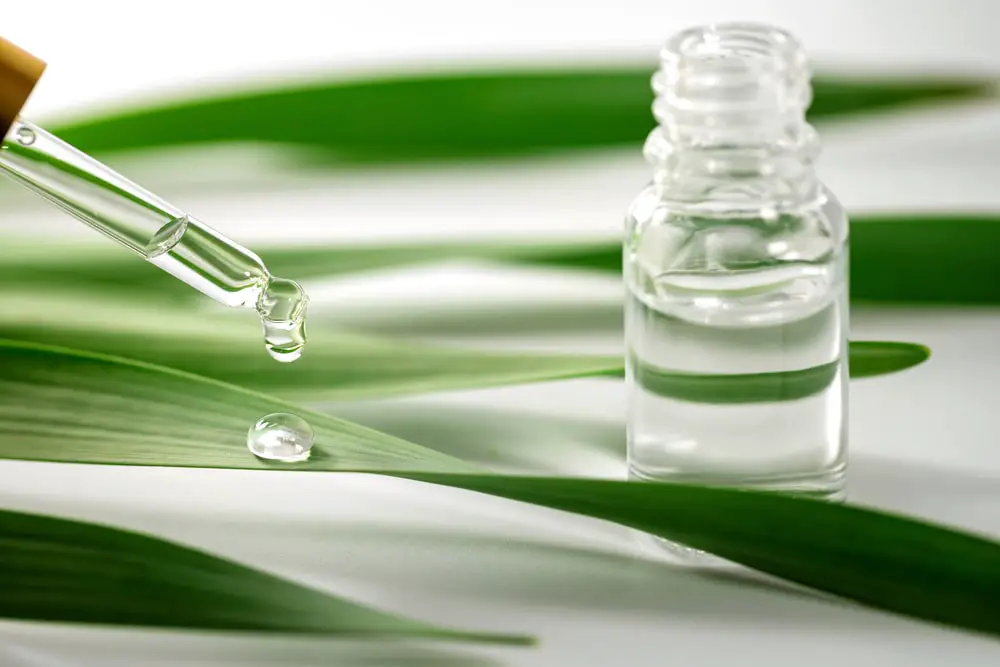
Tea tree oil (Melaleuca alternifolia) is steam-distilled from an Australian plant. Its antibacterial and anti-inflammatory properties make it useful for reducing the skin conditions that lead to post-inflammatory dark spots in the first place. Think of it as a preventive tool rather than a treatment for existing pigmentation.
Claims that tea tree oil can resurface skin or fade established dark spots are not backed by solid research. It’s best used to keep breakouts under control and reduce the inflammation that causes PIH.
Tea tree oil must be diluted before use. Add one drop per 12 drops of carrier oil. Applying it undiluted can cause irritation and chemical burns. Patch test before use.
Sandalwood Oil
Sandalwood (Santalum album) has been used in Ayurvedic skincare for centuries, valued for its cooling and anti-inflammatory qualities. It’s considered gentle and is sometimes used in formulations targeting hyperpigmentation, acne, and sunburn.
Most of the claims around sandalwood and hyperpigmentation are rooted in traditional use rather than clinical trials. It is safe for most skin types when diluted properly, but results are gradual and not guaranteed.
To use as a mask, blend four to six drops of sandalwood essential oil into a carrier oil and mix with two to three tablespoons of rosewater to form a thin paste. Apply to affected areas, leave for one hour, then rinse with cool water. Daily use for up to one month is generally recommended.
Vitamin E Oil
Vitamin E is a fat-soluble antioxidant that protects skin cells from oxidative damage and helps maintain the skin barrier. Studies show it has a moderate effect on hyperpigmentation when used alone, but becomes noticeably more effective when combined with vitamin C, which stabilises and boosts its action.
Vitamin E oil is thick and is better used diluted in a carrier oil or blended into a moisturiser rather than applied on its own. For targeting dark spots, pair it with a vitamin C serum for better results.
Evening Primrose
Evening primrose is a lightweight carrier oil high in gamma-linolenic acid (GLA) and linoleic acid. Research shows it can inhibit tyrosinase, the enzyme that triggers melanin production, which makes it one of the more credible oils for directly targeting pigmentation. It also suits sensitive and acne-prone skin well.
Blend three to four drops with a carrier oil, apply to clean skin at night, leave overnight, and rinse in the morning. Give it at least 30 days of consistent use before judging the results.
Lemon essential oil
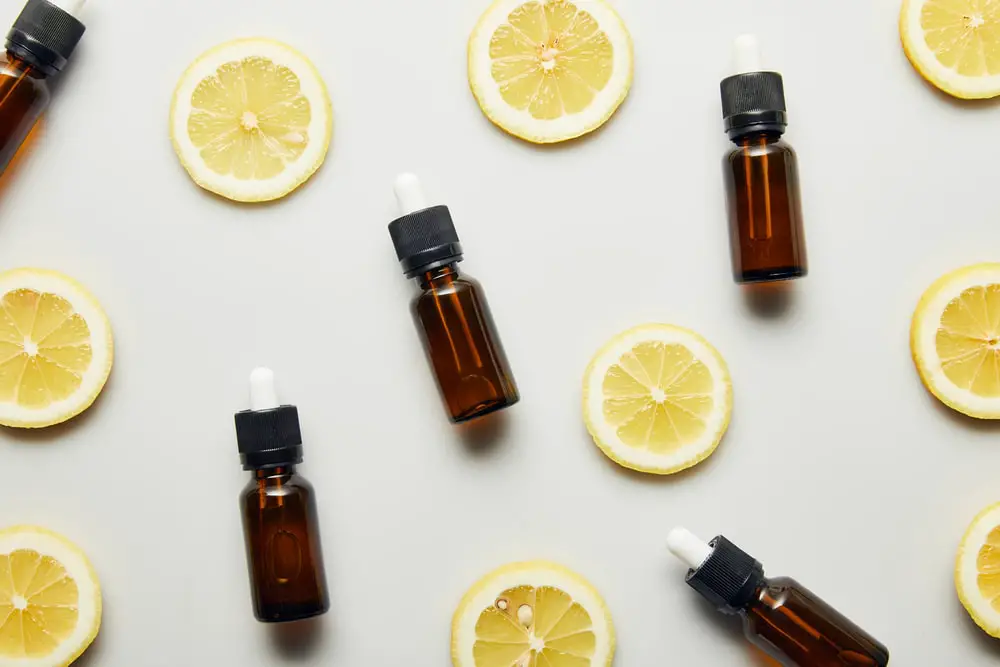
The lemon essential oil contains skin-protecting Vitamin C, which prevents damaging free radicals that contribute to melanin formation by reducing melanocyte synthesis.
Lemon oil contains limonene, a lightening agent that can help reduce the darkness caused by hyperpigmentation. It also has skin-lightening properties that help fade dark spots more quickly.
How to Use Lemon Oil for Hyperpigmentation
Treatment should begin with clean skin. Three to four drops of lemon essential oil should be added to twice as much carrier oil.
Any kind will do, but almond oil can cut the acidic nature of lemon oil and is the preference for sensitive skin. The mixture should be added to the dark areas before bedtime. Any surplus oil should be removed by blotting with a washcloth or cotton ball. The mixture should be removed in the morning and applied again for four weeks. The period can be extended as needed.
Carrot Essential Oil
Carrot seed essential oil is steam-distilled from the seeds of Daucus carota. It contains umbelliferone, a compound with UV-absorbing properties that may help reduce the formation of sunspots. It also has antifungal and antibacterial activity that supports overall skin health.
Carrot seed essential oil and cold-pressed carrot carrier oil are two different products. The essential oil discussed here needs to be diluted in a carrier before applying to skin.
Lavender Essential Oil
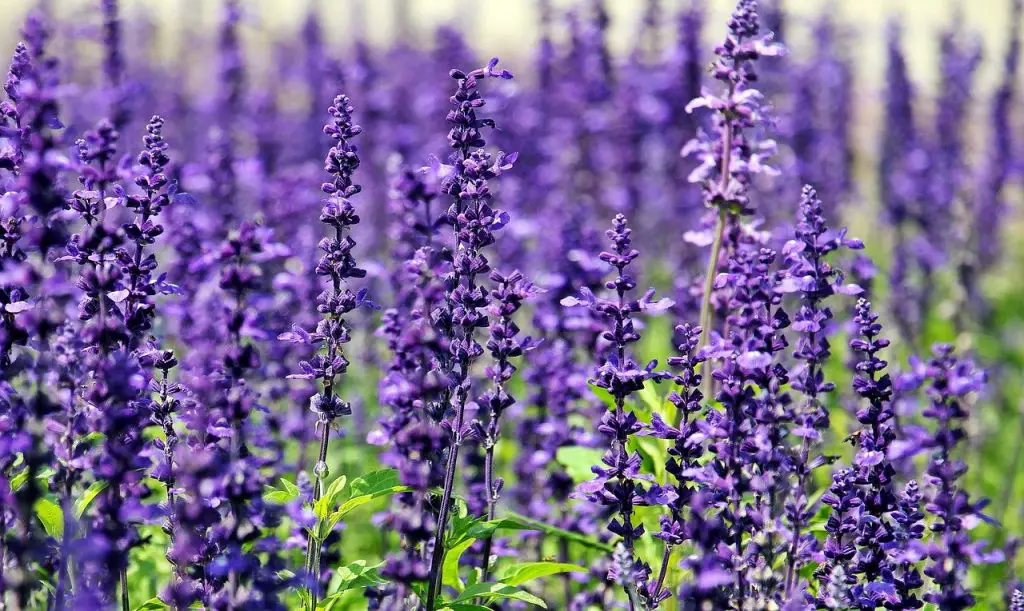
Lavender essential oil (Lavandula angustifolia) has antioxidant and anti-inflammatory properties that can help calm the inflammation that drives post-inflammatory pigmentation. It is one of the milder essential oils for skin use and generally well-tolerated when diluted properly.
Results come slowly. Expect three to six weeks of consistent nightly use before noticing a difference. Mix two to four drops into a quarter cup of carrier oil, apply at bedtime, and rinse after eight hours.
Geranium Oil
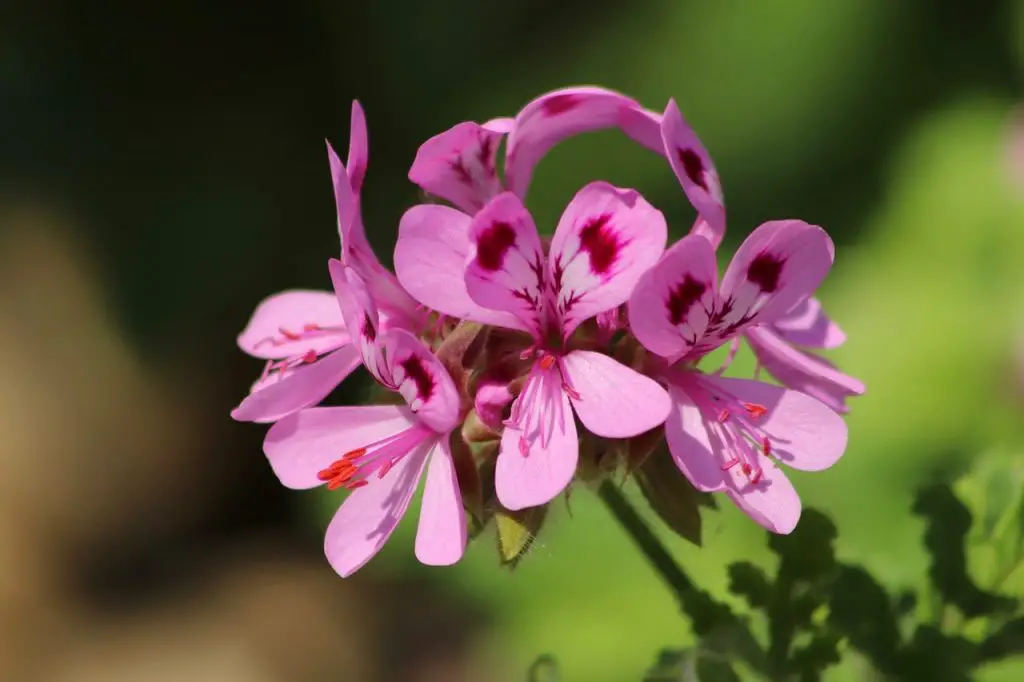
Geranium oil (Pelargonium graveolens) is distilled from a South African plant and has confirmed antimicrobial, astringent, antioxidant, and anti-inflammatory properties. It’s used to help even skin tone and calm redness associated with hyperpigmentation.
Apply diluted in a carrier oil to clean skin twice a day for four to six weeks, leaving it on for up to eight hours before rinsing.
Rosehip Seed Oil
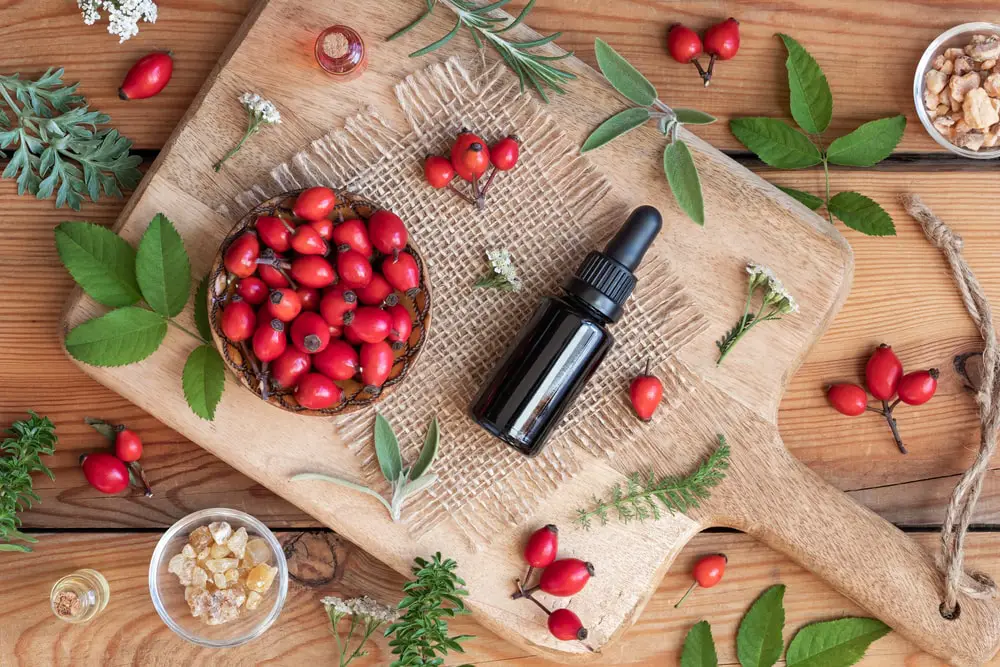
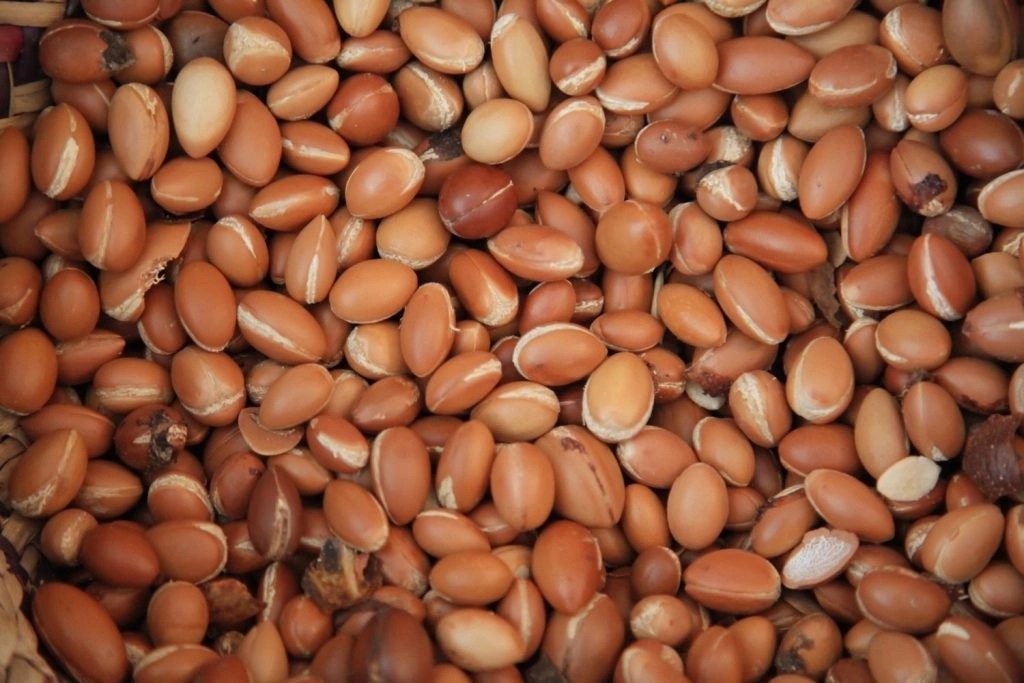
Rosehip seed oil is cold-pressed from the seeds of wild rose plants and is one of the most practical carrier oils for hyperpigmentation. It contains vitamin A in the form of retinoic acid precursors, which speeds up cell turnover and helps shift pigmented surface cells more quickly. It also has linoleic acid, vitamin C, and antioxidants that support a brighter, more even complexion.
Most skin types tolerate rosehip oil well, including sensitive skin, and it won’t clog pores. Apply two to three drops to clean skin in the evening and let it absorb before applying moisturizer.
Tamanu Oil
Tamanu oil is pressed from the nuts of the Calophyllum inophyllum tree and has a thick texture and deep green colour. Its antioxidant and anti-inflammatory properties help protect against UV-related oxidative damage, making it useful for preventing sunspots from forming or darkening.
Some sources claim tamanu can reduce hyperpigmentation by up to 70%. That figure comes from a single limited study and shouldn’t be taken as a reliable benchmark. Results depend heavily on skin type, the cause of pigmentation, and how consistently the oil is used.
Because tamanu is thick and has a strong scent, it blends better when mixed with a lighter carrier oil such as jojoba or rosehip. A ratio of around 10 to 20% tamanu works well. Apply to affected areas in the evening.
Papaya Seed Oil
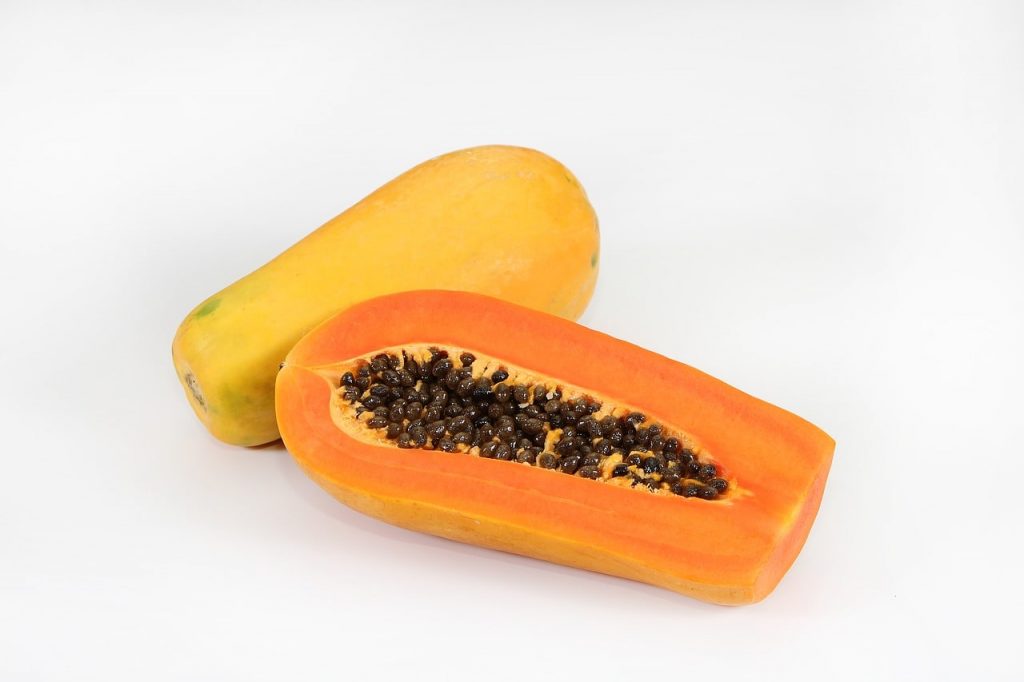
Papaya seed oil contains vitamin C and antioxidants that help protect against free radical damage and encourage cell turnover. The vitamin C content contributes to melanin inhibition and helps gradually brighten dark spots. The texture is relatively light, so it absorbs without feeling heavy on the skin.
Apply a few drops to clean skin or blend with a moisturizer. Use daily for best results.
Frankincense Oil
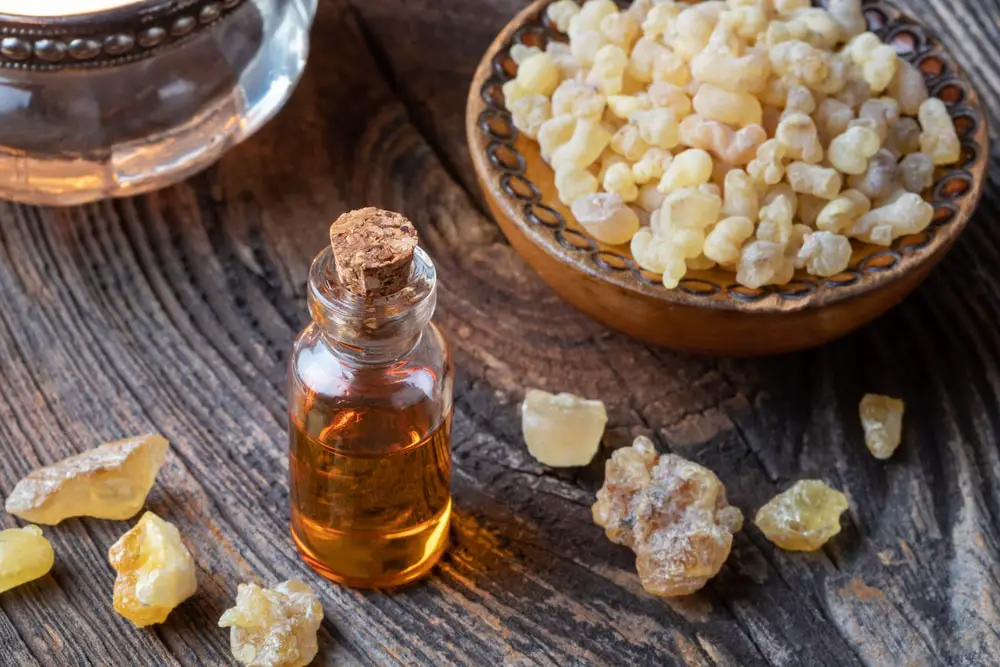
Frankincense essential oil (Boswellia sacra) has antibacterial and anti-inflammatory properties that make it useful for blemish-prone skin. A published study found it contains tissue-remodeling compounds, which may help reduce post-inflammatory hyperpigmentation left by acne or skin injury.
Always dilute before use. Two to three drops per teaspoon of a carrier oil like jojoba or rosehip is a good starting point. Apply to affected areas and leave overnight.
Vitamin E Oil
Vitamin E is the ultimate skin-replenishing and soothing oil. It’s the ingredient most of us think of to help heal wounds or scars. But it can also be a useful ingredient for hyperpigmentation. Studies found vitamin E is moderately effective a visibly reducing hyperpigmentation. But it’s more effective when combined with ingredients such as vitamin C.
Other Ingredients for Treating Hyperpigmentation
Oils aren’t the only option. These ingredients are well-researched and widely used in brightening products.
Vitamin C
Vitamin C is one of the most researched brightening ingredients available. It inhibits tyrosinase to slow melanin production, fades existing dark spots, and provides antioxidant protection against further UV damage. L-ascorbic acid at 10 to 20% concentration, stabilised with ferulic acid and vitamin E, delivers the strongest results. For a full breakdown of the different forms, see our guide to the 8 types of vitamin C for skin.
Licorice Root Extract
Licorice root extract (from Glycyrrhiza glabra) is a gentle, well-regarded skin brightener. Its active compound, glabridin, blocks melanin synthesis and has anti-inflammatory properties. It’s suitable for sensitive skin and commonly found in brightening serums and moisturisers.
Bearberry Extract
Bearberry extract (Arctostaphylos uva-ursi) contains arbutin, a naturally occurring compound that inhibits melanin by blocking tyrosinase. It’s often compared to hydroquinone but is considerably gentler and better suited to long-term use. Consistent daily application is needed to see meaningful results.
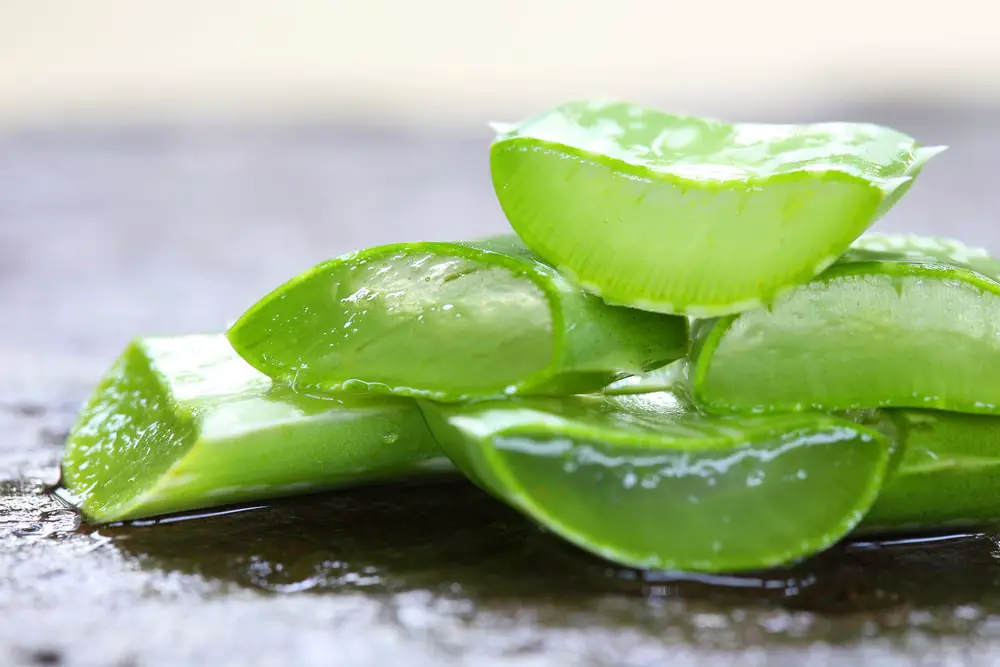
Aloe Vera
Aloe vera contains aloesin, a compound shown in research to inhibit tyrosinase activity. It works best as a supportive ingredient rather than a primary treatment, pairing well with oils and serums. Apply the gel to clean skin before layering other products on top.
Don’t Skip Sunscreen
Sunscreen matters more than any individual oil or ingredient on this list. UV exposure is one of the main triggers of hyperpigmentation and will undo the progress made by any treatment. Using brightening oils without daily SPF protection is a losing battle.
Use a broad-spectrum SPF 30 or higher every morning, including on overcast days. Reapply if you’re spending time outdoors. This one habit does more to prevent and sustain improvement in hyperpigmentation than anything else.
Final Thoughts
There are plenty of effective oils for fading hyperpigmentation. Carrier oils like rosehip and tamanu are the gentlest starting point. Essential oils like lavender, frankincense, and geranium can add meaningful support when used correctly and diluted properly.
Most oils need four to six weeks of consistent use before results show up. Skin responds differently from person to person, so some trial and error is normal. For severe or persistent hyperpigmentation that isn’t responding to topical treatments, a dermatologist visit is worth considering.
This article is for informational purposes only. Always patch test new oils before use and speak to a dermatologist for persistent or severe hyperpigmentation.